Sustainable Cooling Solutions: Eco-Friendly Air Conditioning Systems for Your Home
- Eddie Kahl

- Apr 6
- 5 min read
When the summer heat hits, having a reliable air conditioning system is essential. But with growing concerns about energy consumption and environmental impact, many homeowners are looking for ways to stay cool without harming the planet. That’s where sustainable cooling solutions come in. I want to share some practical insights on eco-friendly air conditioning systems that can keep your home comfortable while reducing your carbon footprint.
Understanding Sustainable Cooling Solutions
Sustainable cooling solutions focus on reducing energy use and minimizing environmental harm. Traditional air conditioners often consume a lot of electricity and use refrigerants that can damage the ozone layer. Sustainable options aim to address these issues by using energy-efficient technology and environmentally safer refrigerants.
Here are some key features of sustainable cooling systems:
Energy Efficiency: These systems use less electricity, which lowers your utility bills and reduces greenhouse gas emissions.
Eco-Friendly Refrigerants: Many newer models use refrigerants with low global warming potential (GWP), which are less harmful to the environment.
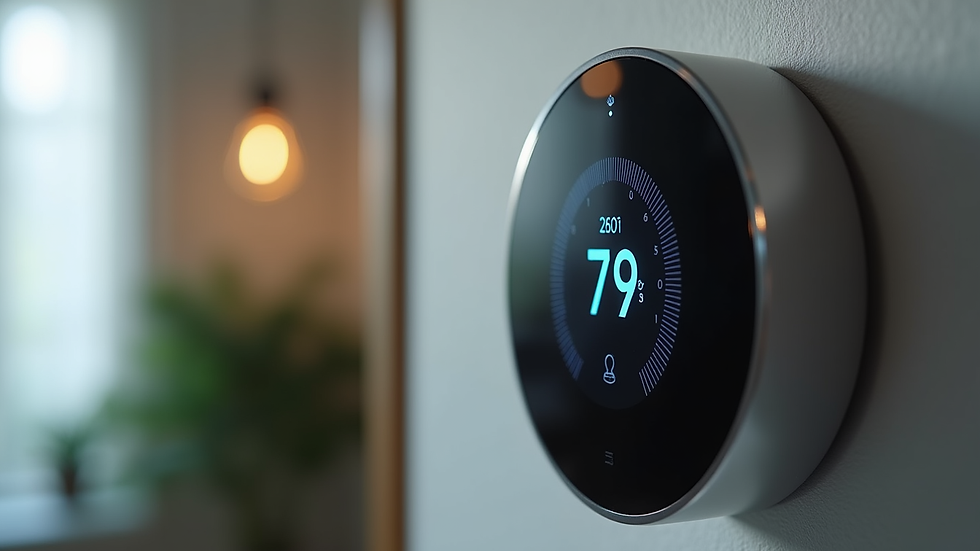
Smart Controls: Advanced thermostats and sensors help optimize cooling, so the system runs only when needed.
Renewable Energy Integration: Some systems can be powered by solar panels or other renewable sources, further cutting down on fossil fuel use.
By choosing sustainable cooling solutions, you’re not just investing in comfort—you’re also supporting a healthier planet.

Types of Eco-Friendly Air Conditioning Systems
There are several types of air conditioning systems designed with sustainability in mind. Here’s a breakdown of some popular options:
1. Heat Pumps
Heat pumps are versatile systems that provide both heating and cooling. They work by transferring heat rather than generating it, which makes them highly efficient. In the summer, they move heat from inside your home to the outside, cooling your space. In the winter, they reverse the process to warm your home.
Heat pumps use less energy than traditional AC units and can significantly reduce your carbon footprint. They are especially effective in moderate climates but can also work well in Northeast Ohio with the right model.
2. Geothermal Cooling Systems
Geothermal systems use the earth’s stable underground temperature to cool and heat your home. Pipes buried underground circulate a fluid that absorbs heat from your home and releases it into the ground. This process uses very little electricity and is one of the most energy-efficient cooling methods available.
While the initial installation cost can be higher, geothermal systems offer long-term savings and excellent environmental benefits.
3. Evaporative Coolers
Also known as swamp coolers, evaporative coolers use water evaporation to cool the air. They consume much less electricity than traditional AC units and don’t use harmful refrigerants. However, they work best in dry climates and may not be as effective in humid areas.
4. Ductless Mini-Split Systems
Ductless mini-splits are compact, energy-efficient units that cool individual rooms or zones. They avoid the energy losses associated with ductwork and allow you to cool only the spaces you use. Many models use eco-friendly refrigerants and come with smart controls.
If you want to upgrade your home’s cooling system without major renovations, ductless mini-splits are a great option.
Is AC Good for BP Patients?
Air conditioning can be a blessing for people with blood pressure (BP) concerns. High temperatures and humidity can raise blood pressure and cause discomfort. A well-maintained AC system helps maintain a stable indoor environment, which can reduce stress on the cardiovascular system.
However, it’s important to keep the temperature moderate. Extremely cold indoor air can cause blood vessels to constrict, potentially raising blood pressure. Setting your thermostat to a comfortable level, around 75°F to 78°F, is usually best.
Also, regular maintenance of your AC system ensures good air quality, which is crucial for overall health. Clean filters and proper ventilation reduce allergens and pollutants that might affect blood pressure and respiratory health.
How to Choose the Right Eco-Friendly Air Conditioning System
Selecting the best system for your home depends on several factors. Here’s a simple guide to help you make an informed decision:
1. Assess Your Cooling Needs
Consider the size of your home, the number of rooms, and your typical cooling requirements. Larger homes or those with multiple floors may benefit from zoned systems like ductless mini-splits or heat pumps.
2. Evaluate Energy Efficiency
Look for units with a high Seasonal Energy Efficiency Ratio (SEER) rating. The higher the SEER, the more efficient the system. Energy Star-certified products are a reliable choice.
3. Check Refrigerant Type
Ask about the refrigerant used in the system. Newer refrigerants like R-32 or R-410A have lower environmental impact compared to older ones like R-22.
4. Consider Installation and Maintenance
Some systems, like geothermal, require professional installation and higher upfront costs but offer long-term savings. Others, like ductless mini-splits, are easier to install and maintain.
5. Look for Smart Features
Smart thermostats and remote controls can help you manage your cooling more efficiently. Features like scheduling, geofencing, and adaptive learning optimize energy use.
6. Think About Local Climate
Northeast Ohio experiences hot summers and cold winters. Heat pumps and geothermal systems are well-suited for this climate because they provide year-round comfort.
By carefully weighing these factors, you can find a system that fits your budget, lifestyle, and environmental values.
Tips to Maximize Efficiency and Comfort
Once you have an eco-friendly air conditioning system, there are simple steps you can take to get the most out of it:
Seal and Insulate Your Home: Prevent cool air from escaping by sealing windows, doors, and ducts. Proper insulation keeps your home comfortable and reduces energy waste.
Use Ceiling Fans: Fans help circulate air and make you feel cooler, allowing you to raise the thermostat a few degrees without sacrificing comfort.
Keep Filters Clean: Dirty filters reduce airflow and efficiency. Check and replace filters regularly.
Shade Your Home: Use blinds, curtains, or exterior shading to block direct sunlight during the hottest parts of the day.
Schedule Regular Maintenance: Professional tune-ups keep your system running smoothly and extend its lifespan.
Set Thermostat Wisely: Avoid setting the temperature too low. Each degree higher can save you 3-5% on cooling costs.
By combining an efficient system with smart habits, you’ll enjoy a cool home and lower energy bills.
Embracing Sustainable Cooling for a Better Future
Choosing sustainable cooling solutions is a smart move for your home and the environment. With options like heat pumps, geothermal systems, and ductless mini-splits, you can stay comfortable while reducing your energy use and carbon footprint.
If you want to explore eco friendly air conditioning systems for your home, consider consulting with a trusted HVAC provider. They can help you find the right system tailored to your needs and local climate.
Investing in sustainable cooling is not just about beating the heat today—it’s about creating a healthier, more energy-efficient home for years to come. Let’s make smart choices that benefit both our comfort and the planet.
Thank you for reading! If you have questions or want to learn more about sustainable cooling options, feel free to reach out. Your comfort and energy savings are worth it.


Comments